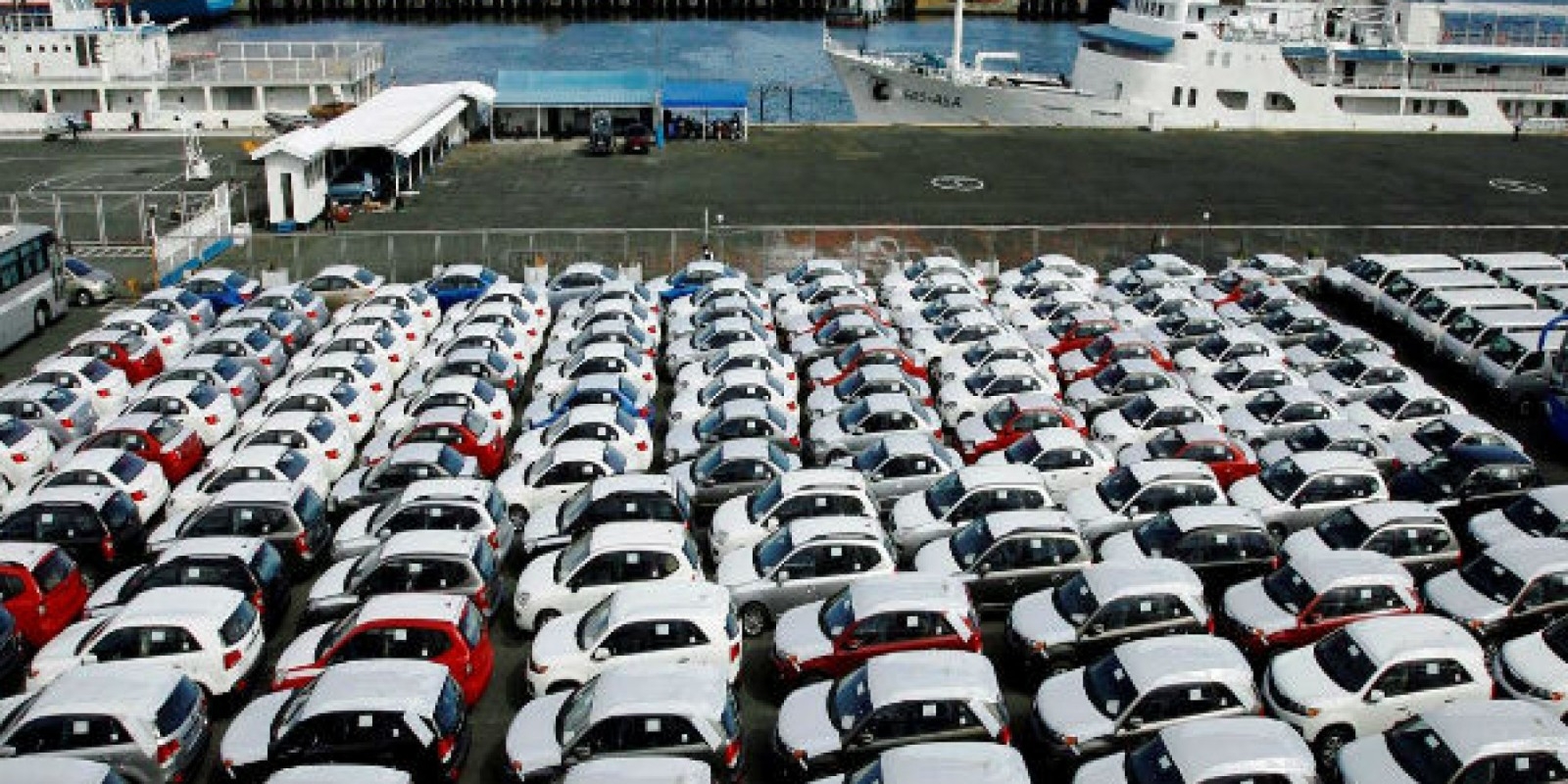
VEHICLE CUSTOMS CLEARANCE: CIVIC AT FOREFRONT OF CUSTOMS MODERNISATION
On 27 October 2026, the Directorate General of Customs and stakeholders across the logistics chain convened at Hotel Sawa in Douala for a seminar on the operational implementation of the Programme for the Control and Identification of Vehicles Imported into Cameroon (CIVIC). The workshop sought to guarantee the protection of State revenue, streamline port operations and combat customs fraud.
Key participants of the workshop included officials from the Directorate General of Customs (DGD), Société Générale de Surveillance (SGS), the Single Window for Foreign Trade Operations (GUCE), Licensed Customs Brokers (LCBs), importers and other stakeholders involved in the vehicle customs clearance chain. Its primary objective was to familiarise participants with, and harmonise, the operational procedures governing CIVIC implementation, against the backdrop of ongoing customs modernisation reforms.
Replacing the former CIVIO system (Identification and Inspection of Imported Used Vehicles), CIVIC is a new milestone in the digitalisation of checks on imported vehicles. Its integration into the e-GUCE platform and the Customs Information System (CAMCIS) facilitates improved data exchange from the pre-arrival stage, while helping to eliminate administrative bottlenecks.
Discussions mainly focused on clarifying the respective responsibilities of stakeholders, standardising declaration procedures through e-GUCE and CAMCIS, and addressing technical challenges associated with the importation of vehicles by sea and road.
During the proceedings, Senior Customs Inspector Samuel Nhanag Moka, Head of the Risk Analysis Unit, outlined the applicable regulatory requirements, identified operational shortcomings and highlighted the penalties incurred where inappropriate documentation is used in the CIVIC clearance process.
Through this initiative, the Customs Administration and its partners seek to enhance operational transparency, strengthen control over the customs valuation of imported vehicles and optimise the collection of customs duties and taxes. The implementation of CIVIC therefore forms part of Cameroon’s broader drive to modernise foreign trade procedures, reinforce customs compliance and enhance the country's economic competitiveness.
Source: Facebook – Douanes CM